(adapted from Chapter 15 of How To Make Friends With Wild Birds)
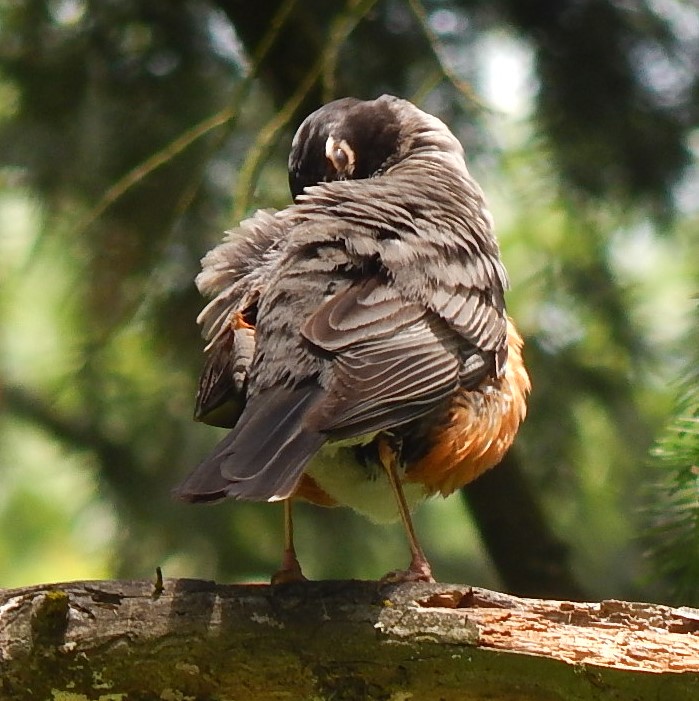
Birdfrienders want the birds to pay attention to us, because how else can we make friends with them?
But other people want the birds not to pay attention to them. They want the birds to ignore them and act as though they were invisible, so they can watch the birds live their own lives in their own way. These people are birdwatchers, birders, and birdquesters.
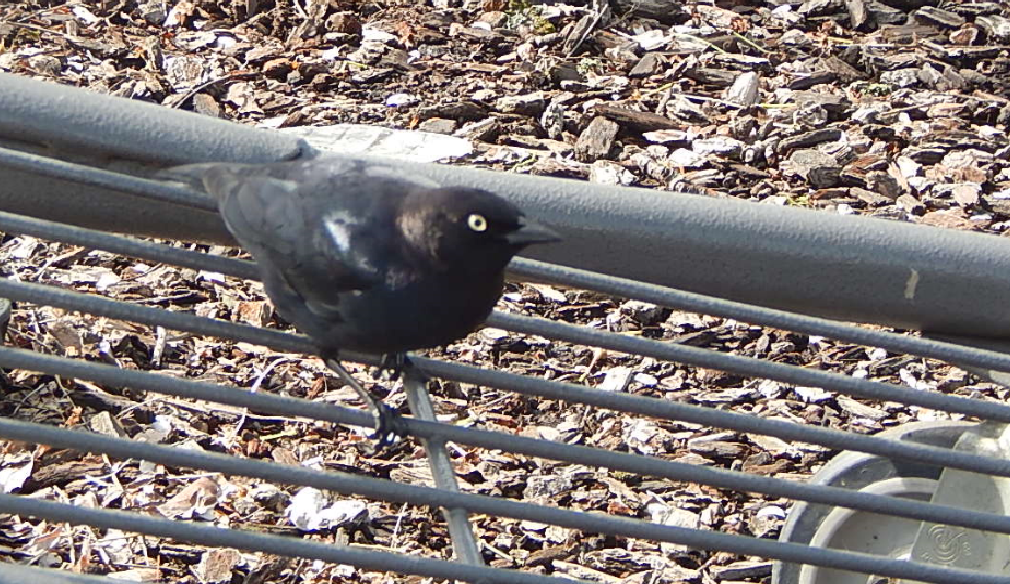
A birdwatcher is anyone who watches birds, anywhere. A robin stalking earthworms on the lawn, the pigeons in the park, the crows in the trees.
Some people turn up their noses at such ordinary birds, because they think that the only birds worth paying attention to are those that are colorful or rare. But for a birdwatcher, the bird to watch is the one who is here right now. People who don’t bother looking at “common” and “ordinary” things miss treasures hidden right in front of our eyes. The clouds reflected in a mud puddle. The veins of a leaf. A birdwatcher sees the magic in the most common bird.
Anybody can be a birdwatcher. Anyone start watching birds any time. It isn’t necessary to know anything about them. We can discover them ourselves.
When we are watching the birds, no one tells us what to look at. No one writes a script for what we see. No one edits it to control what we look at. There are no special camera angles or dramatic music. What we are seeing is not made up or faked or simulated. It is actually happening in the real world. We witness the birds with our own eyes and feel them with our own feelings.
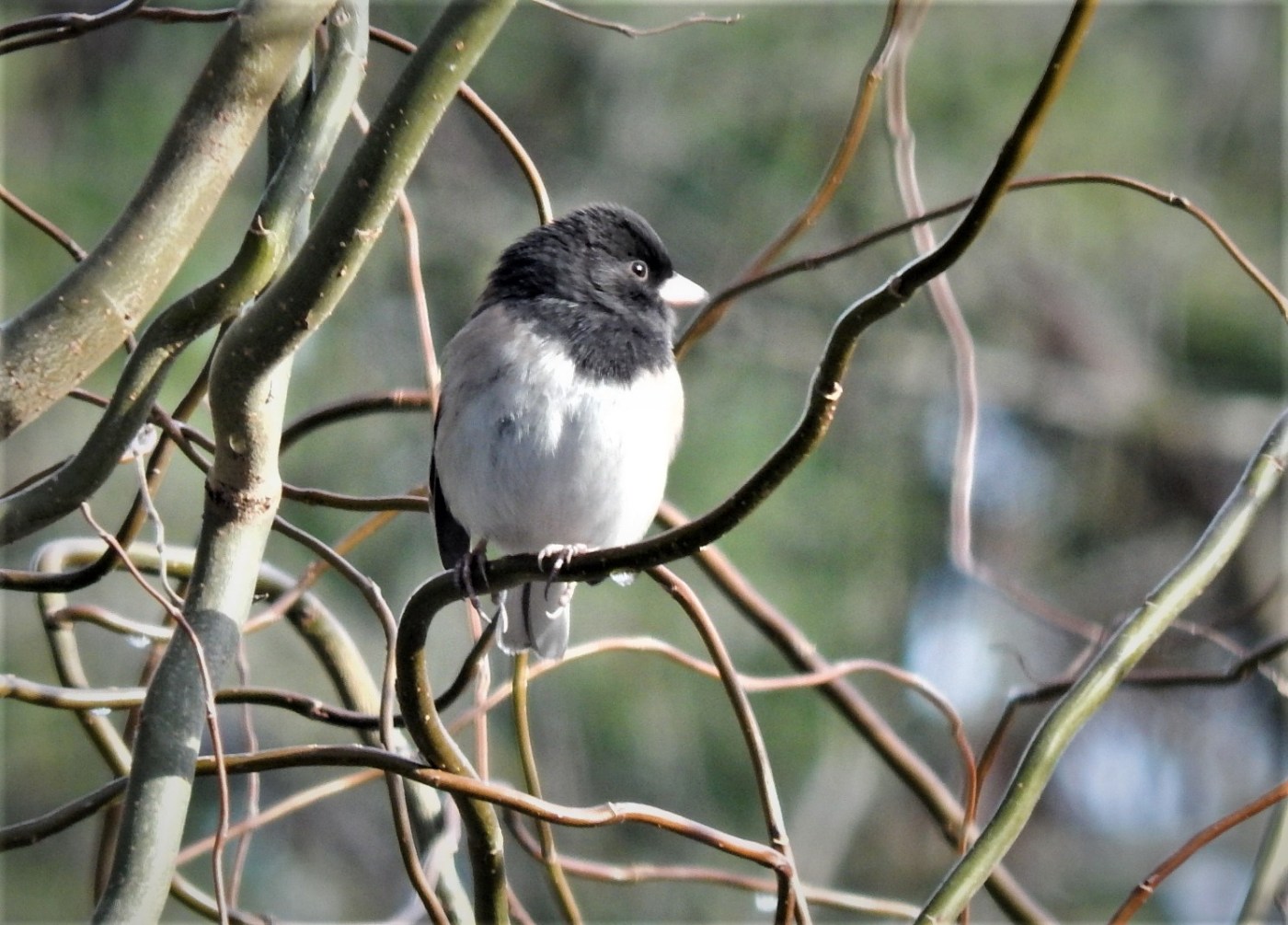
While a birdwatcher watches any bird who happens to come along, a birder looks for birds on purpose. Birders go to wild natural areas to see the birds living their lives in their own world in their own way.
We can be both birdfrienders and birders. It helps us understand our birdfriends better if we go out birding sometimes, the way we can understand a friend better by visiting them at home and seeing how they live.
Birders listen to birds as well as watching them. Some birders can locate an elusive bird hiding in a tree by sound and can identify a bird by its sounds alone. In fact, there are birders who are totally blind!
Many birders keep a “life list” of all the bird species they ever have seen (or heard). A birder is always looking for a “lifer,” a bird they’ve never seen before, to add to their life list. Some birders even travel to different countries to see new birds they can add to their life list. This encourages those countries to conserve bird habitat, because they see people coming and spending money there because of the birds.
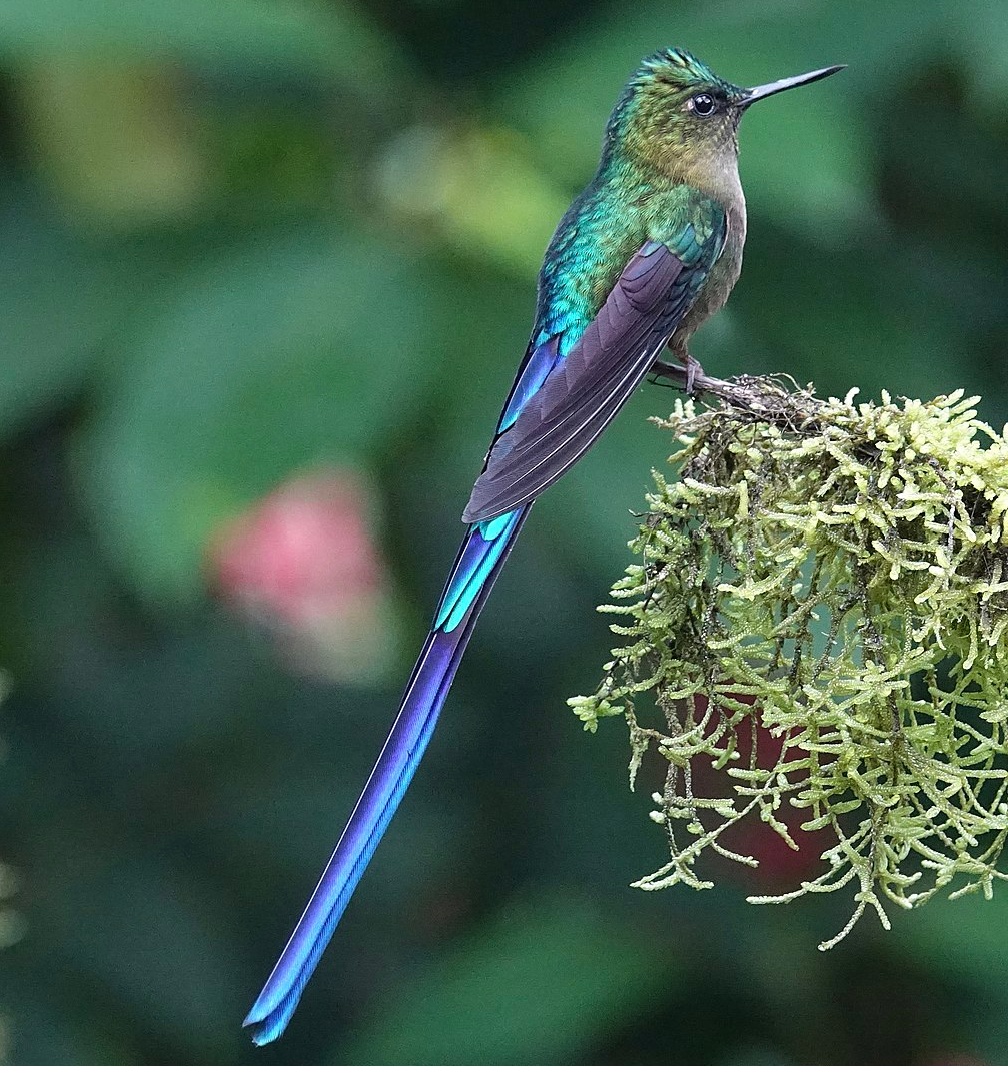
Backyard birders are birders who watch birds in their own yards. And just as a birder can keep a life list of all the birds they have ever seen anywhere, a backyard birder may keep a “yard list” of all the bird species who have ever visited their yard. A backyard birder may attract birds by putting out birdfeeders, birdbaths, or birdhouses. Or, best of all, by birdscaping – creating bird habitat in their yards.
Though many of us feed birds, the birds don’t really need our food to survive. Much more important for their survival is habitat – places where they can live and raise their babies. There are easy ways we can create a little bit more habitat. For example, instead of removing fallen leaves, we can leave them for the birds. Dead leaves attract insects for thrushes and other birds to eat. Piles of cut branches make insect-hunting ground for wrens. A hollow tree provides a place for flickers, owls, and bluebirds to raise their babies. Grass grown without chemicals lets robins hunt worms and bugs without being poisoned, and grass left unmown can provide food and nest sites for ground-feeding and ground-nesting birds, and “weeds” on the lawn can feed birds with their seeds.
Some people put a little more work into creating bird habitat. They carefully choose plants that help the birds. Berry bushes for the waxwings. Flowers for the hummingbirds. Native plants that attract insects birds like. Bushes that provide protected sites for a nest. Bees and butterflies (who are also having a hard time surviving) may come too. And the tiny habitat, full of life, is a sanctuary for the humans too – “a sanctuary for human sanity,” someone has called it.
Most birdfrienders start out as backyard birders, because in the yard we can see the same birds every day, and they see us every day too, and we can get to know each other.
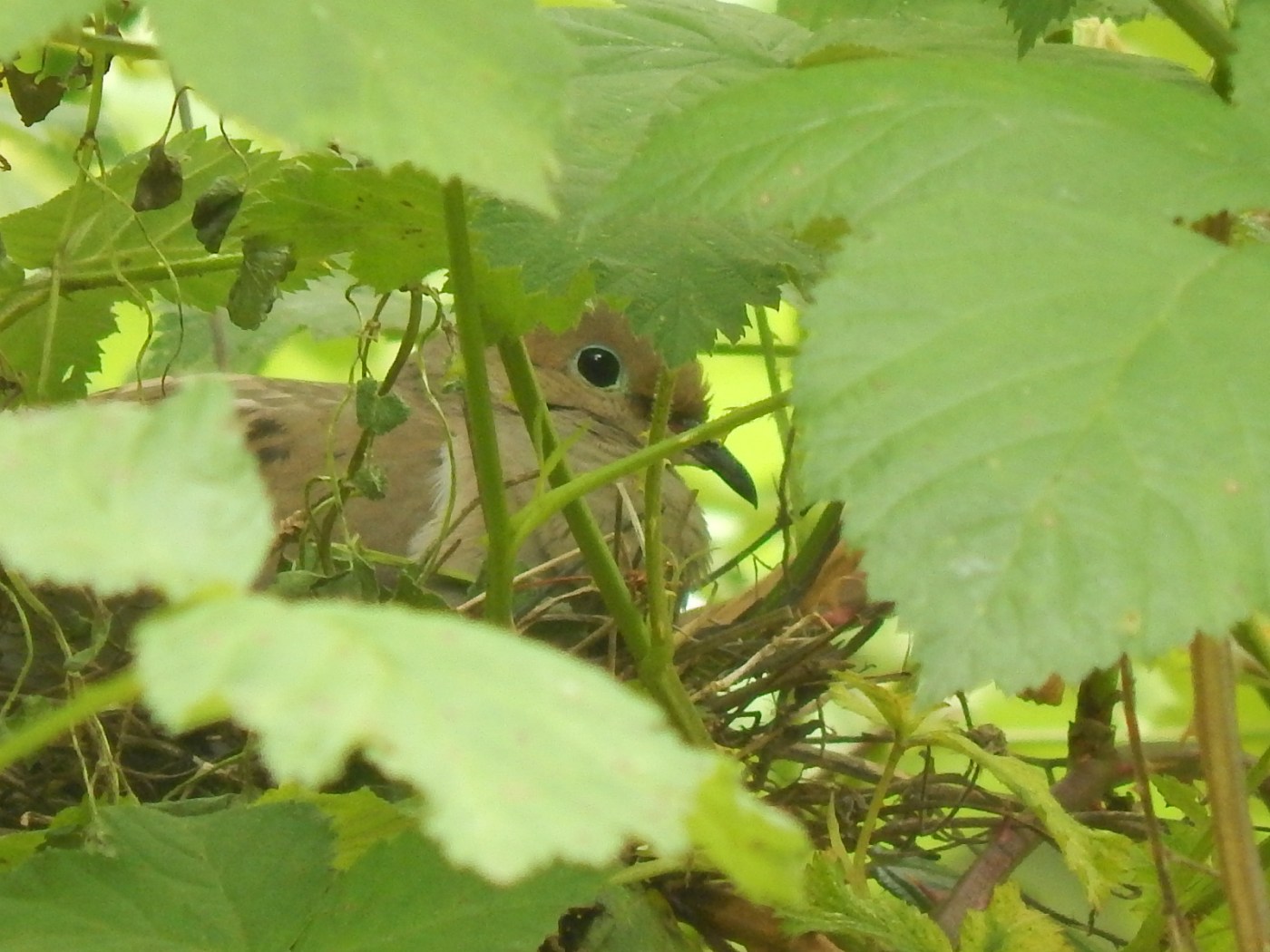
Some birders are birdquesters. (I made up that word, but such people exist.) Birdquesters search for treasures, but real treasures in the real world, not imaginary treasures on a screen. The treasure is a rare bird sighting or a prize bird photo. The birdquester’s real feet fall on real ground, and they feel real sunshine and real wind. A birdquester can have the fun of hunting without hurting anything. They sharpen the skills of silent stalking and keen observation. They gain the power to discover hidden secrets that are invisible to most people. Their senses awaken and they start to see the movements under the shadows of the leaves, hear the wild sounds floating through the air, feel the bumps of the path touching their feet.
A birdquester can share pictures with birdquesters in other parts of the world who have different birds. A prize photo or rare bird sighting doesn’t create envy or FOMO, because a beautiful photo can give joy to everyone, and anyone else might be the one who gets the treasure tomorrow.
Many birders or birdquesters go out in groups. They can stay together in a group, or they can socially distance, spreading out like a flock of birds searching for food. The more eyes looking, the more birds may be spotted. Someone who can find birds by their sounds and point them out to everyone else can be everyone’s hero.
Birding can be a gentle way to get exercise – or a challenging way. Birding can bring together people of every race, nationality, age, sex, gender, religion, and political opinion. Families can go birding together, since birding is something that people of all ages, from babies too young to walk to people with canes, can do together, and some wildlife sanctuaries are even wheelchair-accessible. Young people can go birding together with friends in real life, making real friendships with real people – not just “friend” lists on social media. People who love birds have open hearts, so they can become true friends. Neighbors can get to know each other as they get to know the local birds. Church groups can celebrate God’s creation together as they admire the wonder of the birds. The birds help open our eyes to the miracles around us. Birding helps us to cultivate a grateful heart.
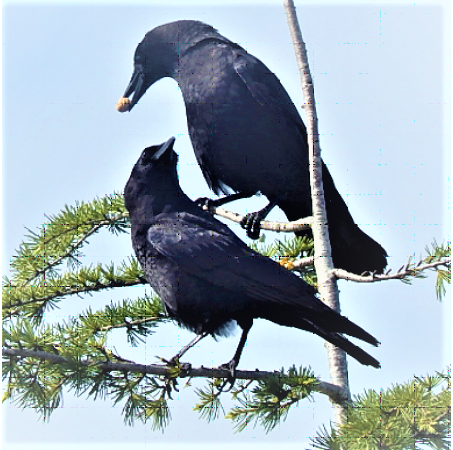
We can even be bird scientists. A scientist is someone who adds to the world’s knowledge about the world. Most kinds of scientists make their discoveries in labs, but when it comes to bird science, anyone, even a kid, can make new discoveries about birds and share them with the world.
Of course a professional bird scientist (called an ornithologist) does need years of training. But ornithologists have thousands of eyes and ears around the world — community scientists, who gather information about the birds where they live and add to humanity’s total body of knowledge about our birds. Bird populations are going way down around the world, and community scientists and the data they gather are vital for saving the birds.
Birds invite us to look up from the screen and out at real life. A screen is not as exciting as real life. If something in a movie or role-playing game ever happened in real life, that would be a huge deal! But when the biggest explosion happens in a movie, a minute later we barely remember it.
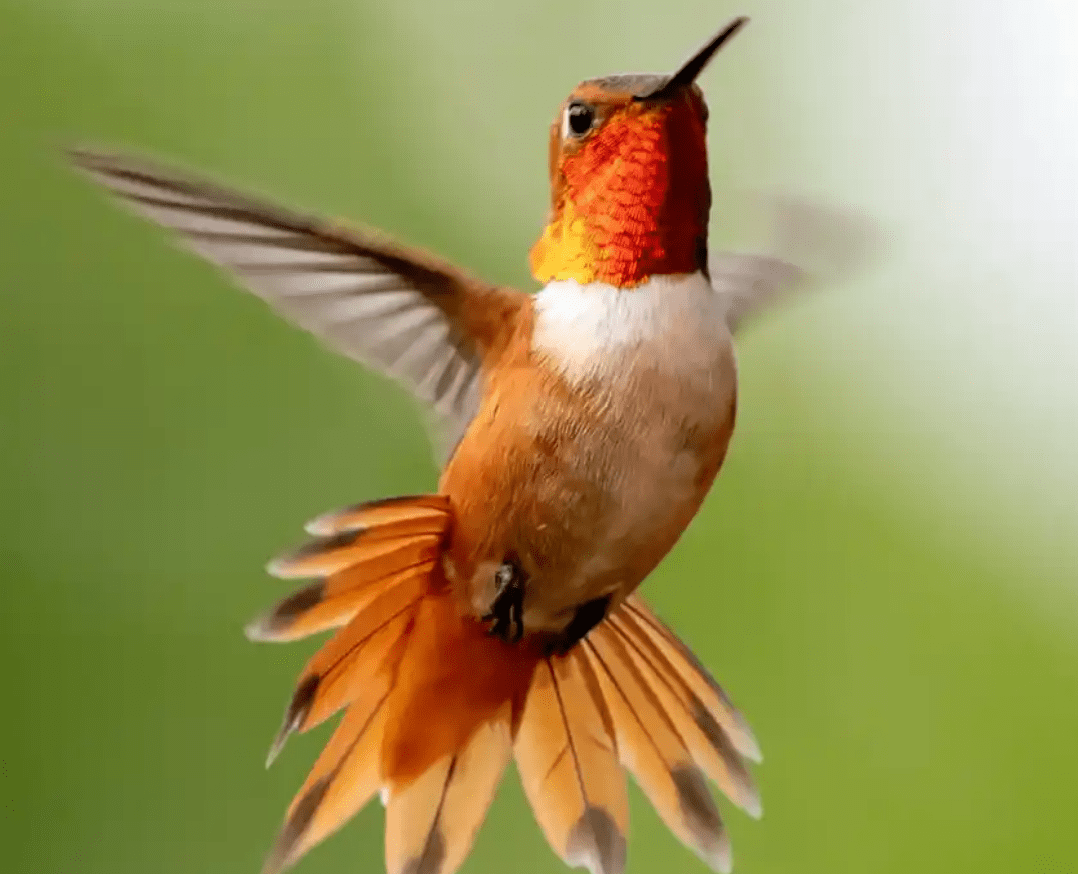
Someone posted, “The other day I ran into a flock of flamingos in VR. They were very pretty, that was okay. Then I went outside and a hummingbird flew in front of my face! A real hummingbird! That was more exciting than a thousand fake flamingos!”
On a screen, we are bombarded with so much noise and fast images that we have to shut most of it out. We can’t possibly fully look at all that comes to our eyes. We have to turn down the volume on our senses. Then, when we go out in nature, where things are quiet and subtle, we may miss everything — at first.
Nature is the opposite of screens. Nature doesn’t try to make us pay attention to it. In fact, much of nature is hidden. It reveals itself only when we are paying close attention.
Nature unfolds at its own speed, and we have to slow down our minds to see it. But when our senses start to reawaken, we see more and more. We start seeing things that others miss.
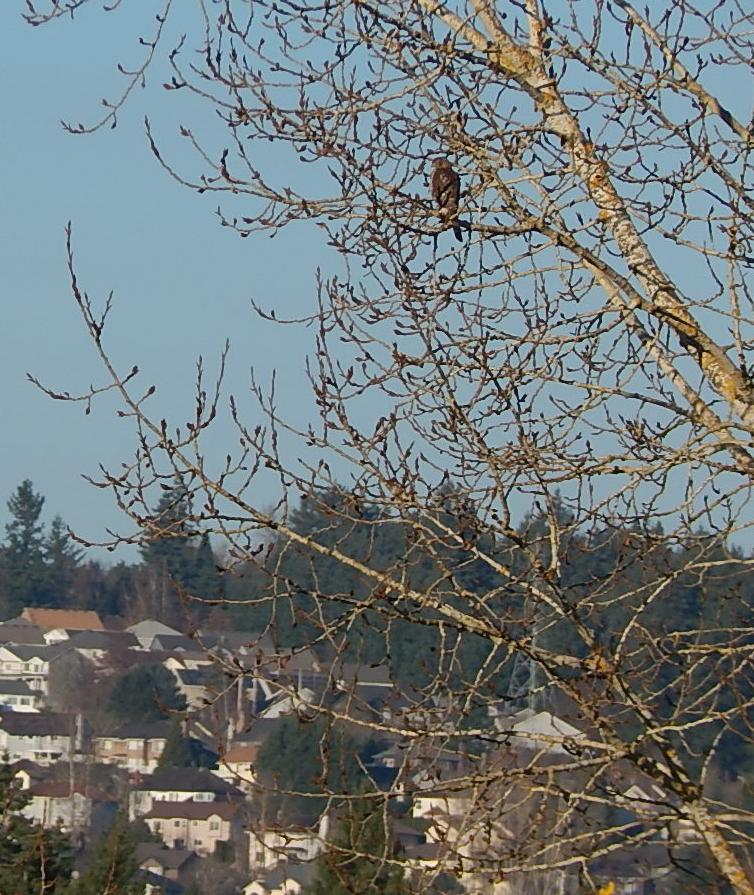
Some birders prefer to go birding alone. Alone in nature, outside the human mindfield, we can discover who we are. A lone birder may hike to a high place and look down from the heights like a bird. Or they may sit by the water, watching not only the birds but the endlessly changing patterns of light on the water.
Watching the birds can help us with stress and anxiety. The birds don’t ruminate about the past, nor are they tense about the future. Birds don’t care what someone said. They don’t worry about someone judging them. They don’t compare themselves with each other. They don’t care about getting “likes.” They don’t worry about grades. They don’t fret about deadlines. They are not in a hurry. They don’t get angry when things don’t go their way. They prepare for the future, but they don’t worry about the future. They don’t ask, “What if what I’m doing doesn’t work? What if something happens that never happened before? What if a disaster ruins everything?” If something unexpected happens, they just deal with it.
Danger is always lurking in the birds’ world. Yet they are not tense or stressed-out. They are alert, but relaxed. They know what they need to do, and how to do it, and when to do it. They live in graceful trust.
Watching birds can also help us with depression. Social media can leave us feeling empty and lonely. School can crush our curiosity and creativity. Education, once modeled on factory assembly lines, now is modeled more and more on computer programming. In our technocratic society, human qualities that can’t be computerized, like imagination, dreams, caring, love, humor, curiosity, are not valued or encouraged. No wonder we can feel hollow and depressed.
You know who doesn’t get depressed? A computer. Because a computer doesn’t feel anything at all.
You know who else doesn’t get depressed? A wild animal living free.
An animal living in a cage, unable to fulfill its instincts and truly be itself, can get depressed. But an animal in the wild, though it may experience pain and hardship, never gets depressed. Any wild animal who gets depression and quits caring about life would be quickly weeded out of the gene pool. When things get tough, a wild animal tries all the harder to survive. And wild creatures can help us discover our inner strength, our own power to survive.
A teenaged birder posted, “I used to be obsessed with what my friends thought of me. I felt like I didn’t belong. Sometimes I was depressed and thought of giving up, other times I was angry. One day I was all by myself watching the birds and I saw how hard their lives were, yet they were never angry about it. I saw how much they wanted to live, and I discovered that I wanted them to live too! And then I thought, why do I want them to live if I don’t want myself to live? And then I got it.”
A wild creature has freedom to be itself. It is free to fulfill its inner instincts, free to be who and what it truly is and meant to be. That’s why, when we go into a wild place, we too can remember what freedom is and start to remember who we are.
The birds help us remember that we are not just machines. We are living creatures in a living world. We are all relatives, part of one family of life. Birds can help us discover who we really are, deep inside. Birds can help us remember that we are alive.
“Birds will give you a window, if you allow them. They will show you secrets from another world, fresh vision that, though avian, can accompany you home and alter your life.”
– Lyanda Lynn Haupt, Rare Encounters With Ordinary Birds
“Understanding the birds really does help us help us to understand ourselves… The birds pick up our attitude instantly and tell us the truth – if only we’re prepared to hear it… The awareness required to understand and connect with the birds really does change lives.”
– Jon Young, What the Robin Knows: How Birds Reveal the Secrets of the Natural World
“When getting to know a bird – by learning where it lives, what it eats, how it forages, where and how it nests, what it fears, and in general what it likes and dislikes – we are entering another world. Each animal gives us a new view, a new experience, that always involves stepping out of our world into another, and it is always an adventure.”
— Bernd Heinrich, One Wild Bird At a Time
“The one thing that birdwatching has done for me is open my eyes and mind up to the beauty of the simplest, littlest things, especially in nature. As my focus turns to the flowers and small critters of the Earth, the “important” thoughts in my mind no longer have control over me, instead, a deep sense of peacefulness and completeness arises, allowing me to hear the deeper wisdom within. Every one of us can do this, and birdwatching can help you practice this state of mind and being.”
— Lesley Earle, LesleytheBirdNerd on Youtube (my favorite bird channel!)
 birdfriender.net